Lessee vs. Lessor Accounting Under ASC 842 Explained
Lessees and lessors account for the same lease in opposite directions. A lessee records a right-of-use asset and a lease liability and recognizes lease cost over the term. A lessor keeps the asset on its books in an operating lease and recognizes lease income, or derecognizes the asset and records a net investment in the lease when the arrangement is a sales-type or direct financing lease.
If you are on a finance team, the classification decision is what drives everything downstream, so it is worth getting right at commencement rather than at audit. If you need the underlying definitions and the rights each side holds, those are covered in our guide to lessee vs. lessor. This page covers the accounting.
Lessor vs. Lienholder: What’s the Difference?
These two get confused because both involve a party with a financial interest in an asset someone else is using, but they’re structurally different. A lessor leases an asset to a lessee and may or may not be the original owner. A lienholder is a lender or creditor who financed the purchase of an asset and holds a legal claim against it until the loan is repaid; if payments stop, the lienholder can seize the asset to satisfy the debt.
The distinction matters most in vehicle and equipment financing, where a buyer often chooses between leasing (working with a lessor) and financing a purchase with a loan (working with a lienholder who places a lien on the asset until it’s paid off). Both arrangements put a financial obligation on the person using the asset, but only one of them is a lease.
Lessor and Lessee Roles in Subleases and Sale-Leasebacks
Subleases. When a lessee leases all or part of their leased space to another party, the roles get a layer more complex. The original lessee becomes a sublessor to the new party, called the sublessee, while remaining a lessee to the original lessor. That means the sublessor is on the hook to both sides at once: fulfilling the original lease with the primary lessor, and fulfilling the new sublease with the sublessee, who has no direct relationship with the original lessor at all.
Sale-leasebacks. A sale-leaseback flips the roles entirely. A company that owns an asset, commonly a building or a piece of equipment, sells it to a buyer and immediately leases it back. The original owner becomes the lessee; the buyer becomes the lessor. Companies do this to convert an illiquid asset into cash without giving up the ability to keep using it, while the buyer gets a steady income stream from the lease payments in return for the purchase.
How a Lessor Classifies a Lease
A lessor classifies each lease into one of three categories at commencement, and the classification decides whether the asset stays on its balance sheet.
- Sales-type lease. Any of the classification criteria that would make it a finance lease for the lessee are met, meaning control of the asset effectively transfers. The lessor derecognizes the asset and records a net investment in the lease, with any selling profit recognized at commencement.
- Direct financing lease. Control does not transfer under those criteria, but the present value of the payments plus any residual value guarantee from a third party amounts to substantially all of the fair value, and collection is probable. The lessor derecognizes the asset and records a net investment, with selling profit deferred rather than recognized up front.
- Operating lease. Everything else. The asset stays on the lessor's books and continues to be depreciated, and lease income is generally recognized on a straight-line basis over the term.
Most commercial landlords are in the third category. For the lessee side of the same transaction, see our ASC 842 guide.
Lessee vs. Lessor Responsibilities by Commercial Lease Type
Who pays for what isn’t fixed. It depends entirely on the type of commercial lease in place, and this is where the lessee/lessor distinction has the most real, dollars-and-cents impact for a real estate team negotiating terms.
A related, real-estate-specific variant worth knowing: in a ground lease, the lessor (often called the ground lessor) leases only the land to a lessee (the ground lessee), who typically constructs and owns the building on it for the lease term. When the ground lease ends, the improvements generally revert to the ground lessor, one of the few structures where the lessee, not the lessor, is the one building and using an asset that eventually transfers back.
What Is Lessor’s Risk Insurance?
Lessor’s risk, sometimes called Lessor’s Risk Only (LRO) or landlord insurance, is liability coverage a lessor carries to protect against lawsuits arising from a tenant’s use of the leased property, things like bodily injury or property damage that happen on the premises during the lease term. It’s separate from the property insurance covering the building itself, and it’s typically a standard part of protecting a commercial real estate investment, whether the property is an office building, retail space, or an apartment complex.
How Lease Accounting Differs for Lessees and Lessors
This is where the lessee/lessor distinction stops being about terminology and starts affecting the balance sheet. Three standards govern how each side reports a lease, and lessors and lessees follow meaningfully different rules under all three.
A few specifics worth calling out on the lessee side of ASC 842: the lease liability is the present value of future lease payments, discounted at the lessee’s incremental borrowing rate (or the rate implicit in the lease, if that’s readily determinable). The ROU asset is that liability adjusted for prepayments, initial direct costs, and any lease incentives received. Expense recognition then splits by classification: operating leases get a single straight-line lease expense, while finance leases split the cost into separate interest and amortization line items.
On the lessor side, classification drives everything. For an operating lease, the lessor keeps the underlying asset on its books, continues depreciating it, and recognizes rental income on a straight-line basis. For a sales-type lease, the lessor derecognizes the asset, recognizes a net investment in the lease, and records any selling profit or loss at commencement. Direct financing leases work similarly but defer that profit or loss rather than recognizing it immediately. The lessor generally discounts using the rate implicit in the lease rather than an incremental borrowing rate, since the lessor already knows the asset’s fair value and expected residual, the inputs that rate is built from.
For a full breakdown of the lessee side specifically, including worked examples and journal entries, see our ASC 842 guide and our right-of-use asset guide.
Lease Modifications and Incentives: Lessee vs. Lessor Treatment
Modifications. A lease modification, any change to the scope or payment terms that wasn’t part of the original agreement, gets one of two treatments. If the change grants additional rights of use at a price consistent with standalone market rates, both sides account for it as a brand-new, separate lease. If it doesn’t meet that bar, both the lessee and lessor reassess the lease’s classification and remeasure the liability, asset, or receivable as of the modification date.
Incentives. Timing determines the accounting. Incentives paid to or on behalf of the lessee at or before lease commencement reduce the ROU asset directly. Incentives expected after commencement are treated as a negative payment that reduces both the lease liability and the ROU asset over time. From the lessor’s side, an incentive paid under an operating lease typically becomes part of deferred rent, spread over the lease term rather than recognized all at once.
Lessee vs. Lessor FAQs
Who is the lessor and who is the lessee? The lessor is the party who owns an asset and leases it out. The lessee is the party who pays to use that asset without owning it. In a commercial real estate lease, the lessor is the landlord and the lessee is the tenant.
Is the lessor the landlord? Yes, in a real estate context. “Lessor” is the formal, legal term used in the lease agreement and financial statements; “landlord” is the everyday equivalent.
Is the lessee the buyer or seller? Neither. The lessee is renting or leasing the asset from the lessor and does not own it, regardless of how the transaction is otherwise structured.
What’s the difference between a lessor and a lienholder? A lessor leases an asset to a lessee, who never takes ownership. A lienholder is a lender who financed a purchase and holds a legal claim on the asset until the loan is repaid. Both involve a third party with a financial stake in an asset someone else is using, but only the lessor relationship is a lease.
Who is the lessor and lessee in a sale-leaseback? The original asset owner becomes the lessee, and the buyer who purchases the asset and leases it back to them becomes the lessor. The roles are the reverse of what you’d expect based on who owned the asset first.
Who’s responsible for leasehold improvements, the lessee or the lessor? It depends on the lease and the type of improvement. Lessors often fund upfront improvements through a tenant improvement allowance, while lessees typically bear the cost of improvements made later in the term or ones outside the scope of what the lessor agreed to fund. The lease agreement, not a general rule, determines who pays.
What is a ground lessor vs. a ground lessee? In a ground lease, the ground lessor owns and leases out the land only. The ground lessee leases the land and typically constructs and owns the building on it for the lease term, with the improvements generally reverting to the ground lessor when the lease ends.
Is “landlord and tenant” the same as “lessor and lessee”? Functionally, yes, in a real estate context. “Landlord” and “tenant” are the everyday terms; “lessor” and “lessee” are the formal terms used in the lease agreement, legal filings, and financial statements.
How does lessee accounting differ from lessor accounting under ASC 842? Lessees record a right-of-use asset and a lease liability on the balance sheet. Lessors classify the lease as operating, sales-type, or direct financing, and that classification determines whether they keep the underlying asset on their books or derecognize it in favor of a net investment in the lease.
What happens if a lessee defaults on a lease? Consequences depend on the lease terms, but typically include the lessor’s right to terminate the lease, reclaim the asset or space, and pursue the lessee for unpaid amounts and damages.

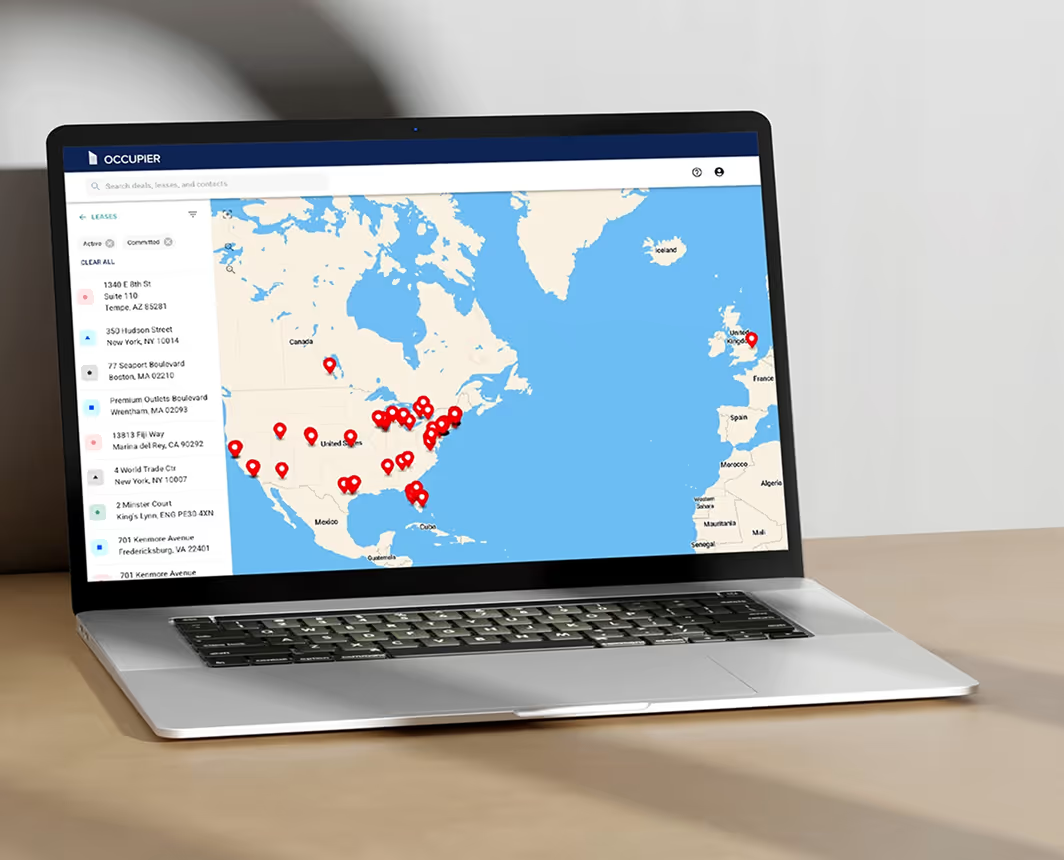
Lease management that works for real estate and finance
15,000 sq ft
90 days notice
March 2026
Action required