Defaulting on a Commercial Lease: A Tenant's Guide

What does defaulted on a lease mean?
It means a tenant has failed to fulfill a contractual obligation and the applicable conditions for default have been met. Common causes include unpaid rent, missing insurance coverage, and unauthorized use of the premises.
Defaulting on a commercial lease means failing to meet an obligation established in the lease agreement. While missed rent payments are a common cause, tenants can also default by failing to maintain insurance, making unauthorized alterations, or violating other contractual requirements.
For businesses operating from leased offices, retail stores, or warehouses, a default can create serious financial and operational challenges. Depending on the agreement and applicable law, unresolved violations may lead to penalties, lease termination, or claims for damages.
However, a missed payment or lease violation does not always mean the landlord can immediately terminate the agreement. Many commercial leases include notice requirements and cure periods that allow tenants to correct problems before certain remedies become available.
Understanding the default process, your contractual protections, and available options can help prevent a temporary issue from threatening your business.
What Does Defaulted on a Lease Mean?
A commercial lease default occurs when a tenant fails to fulfill a contractual obligation and the conditions for default under the agreement have been met.
For example, a retailer may be required to pay rent on the first day of each month. Missing that payment breaches the lease, but whether it becomes an event of default immediately or after a specified period depends on the agreement.
Commercial lease defaults generally fall into two categories.
Monetary Defaults
Monetary defaults involve unpaid financial obligations, including base rent, common area maintenance (CAM), property taxes, insurance reimbursements, and other additional charges.
A restaurant might pay its monthly base rent but fail to pay an operating expense reconciliation. If the charge is properly due under the lease, the unpaid amount could create a default.
Tenants should therefore understand all payment obligations in their commercial lease agreement, rather than monitoring base rent alone.
Non-Monetary Defaults
Non-monetary defaults involve violations unrelated to direct payments. These may include failing to maintain required insurance, making unauthorized alterations, subleasing without permission, or violating permitted-use restrictions.
A retail tenant could also breach a continuous operation clause by closing its store while the lease requires it to remain open.
The consequences depend on the contractual language, the seriousness of the violation, and whether the tenant has an opportunity to correct it.
What Happens When a Tenant Defaults on a Commercial Lease?
When a tenant defaults, the landlord's available remedies depend on the lease and applicable law. The process often begins with identifying the violation and issuing a notice explaining the problem.
Many agreements provide a cure period before certain enforcement actions can proceed.
Notice of Default and Cure Periods
A notice of default formally identifies a lease violation and may establish a deadline for corrective action.
For example, a lease might allow five business days after notice to resolve overdue rent and 30 days to correct certain non-monetary violations. These periods are illustrative rather than universal requirements.
Some agreements permit additional time when a problem cannot reasonably be corrected immediately, provided the tenant starts the necessary work promptly and continues toward completion.
Tenants should review how notice must be delivered, when the cure period begins, and what action is required to resolve the issue.
Landlord Remedies After Default
If a default remains unresolved, the landlord may have the right to pursue unpaid amounts, damages, lease termination, or possession of the premises.
Some agreements also permit landlords to apply security deposits or draw on letters of credit.
However, lease termination and eviction are separate matters. The landlord's ability to recover possession depends on applicable law, which may require judicial proceedings or permit certain nonjudicial remedies under specific conditions.
Receiving a formal default notice is therefore a reason to act promptly, not an automatic indication that the business must immediately vacate.
What Are a Commercial Tenant's Rights and Protections After Default?
Commercial tenants have contractual and legal protections that may limit when and how landlords can enforce default remedies. Unlike residential leases, commercial agreements often provide fewer statutory protections, making the negotiated lease terms particularly important.
The extent of these protections varies by state and the circumstances of the default.
Notice and the Right to Cure
When the lease or applicable law requires notice and an opportunity to cure, the landlord must generally satisfy those conditions before exercising remedies that depend on them.
For example, an office tenant receiving notice of an expired insurance certificate may be able to correct the issue by obtaining updated coverage and delivering the required documentation before the deadline.
A tenant should not assume every violation carries a cure right. Certain defaults may have different requirements, and some agreements restrict repeated opportunities to cure.
Reviewing the exact language helps determine which protections apply.
The Right to Challenge an Alleged Default
A tenant may dispute whether a default actually occurred.
For example, a retailer might receive a notice for unpaid additional rent even though the charge includes expenses excluded under its lease. In that situation, the tenant can review the supporting records and evaluate whether the amount is contractually owed.
Some leases establish audit rights, dispute procedures, and deadlines for challenging landlord charges.
However, disputing a charge does not necessarily allow the tenant to withhold payment. Certain agreements require payment while the dispute is resolved.
Where appropriate, a tenant may also challenge an improper termination or enforcement action through available legal procedures.
Protection Against Improper Landlord Remedies
Landlords must comply with applicable legal requirements when seeking possession, enforcing remedies, or collecting damages.
For example, a landlord cannot necessarily change the locks or remove a tenant's property simply because rent is overdue. Rules governing commercial lockouts and self-help possession differ significantly by jurisdiction.
Tenants may also have defenses involving defective notices, failure to follow contractual procedures, or disputed damages.
Because these protections are highly state-specific, tenants facing a threatened lockout, termination, or eviction should seek qualified local legal advice immediately.
How Much Can Defaulting on a Commercial Lease Cost?
The financial consequences of default may extend beyond an overdue rental payment. Depending on the lease, tenants could face late fees, interest, legal expenses, restoration costs, and claims involving future rent.
Some commercial leases contain rent acceleration clauses that permit landlords to claim future payments after specified defaults.
Consider a retailer with the following obligations:
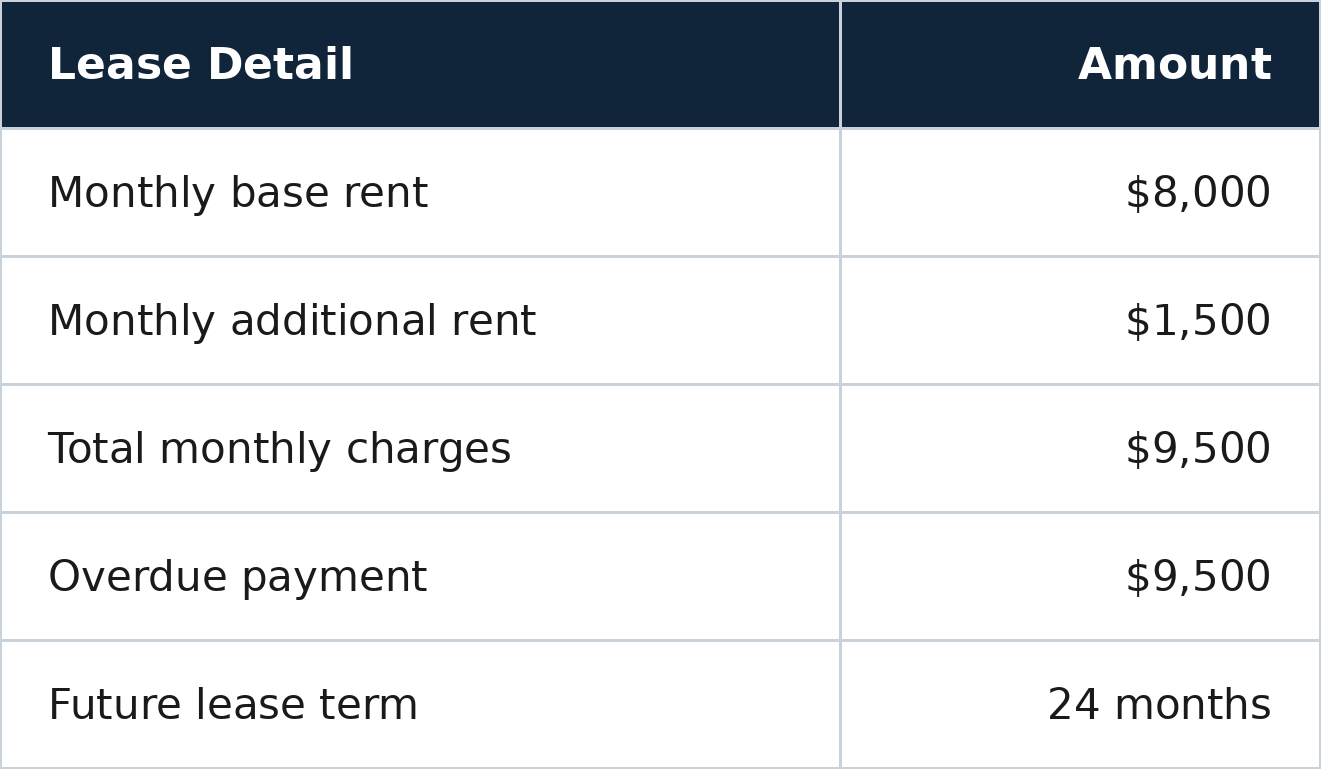
The retailer has one overdue payment of $9,500 and 24 future scheduled payments totaling $228,000.
Combined scheduled exposure = $9,500 + $228,000 = $237,500
This figure illustrates contractual exposure, not an automatic damages award. Recoverable amounts depend on the lease, applicable law, acceleration provisions, potential mitigation requirements, and other circumstances.
Personal guarantees can increase financial exposure. If an owner has guaranteed the company's lease obligations, the landlord may have claims against that individual under the guarantee's terms.
When considering breaking a commercial lease, tenants should evaluate these obligations rather than focus only on outstanding rent.
What Should You Do After Receiving a Commercial Lease Default Notice?
Receiving a default notice requires a timely, organized response. The goal is to understand the allegation, preserve any available rights, and resolve the issue before the situation escalates.
A practical response involves five steps:
- Review the notice and lease. Identify the alleged violation, applicable notice provisions, cure deadline, and potential remedies.
- Confirm the facts. Compare the landlord's claim with payment records, amendments, insurance documents, and other relevant information.
- Document your response. Keep copies of communications, payment confirmations, and evidence that the issue has been corrected.
- Contact the landlord. If the issue is valid but cannot be resolved immediately, propose a realistic payment arrangement or corrective action plan.
- Seek legal guidance when necessary. Involve qualified counsel promptly when termination, eviction, substantial damages, or disputed contractual rights are involved.
For example, a restaurant experiencing a temporary decline in sales might request a short rent deferral supported by a repayment schedule. A retailer disputing additional charges should review the lease's audit provisions before withholding payment.
A properly documented CAM reconciliation can help determine whether disputed operating expenses are consistent with the agreement and supporting records.
Any negotiated arrangement should be confirmed in writing to avoid disagreements over revised obligations or unresolved defaults.
Can You Get Out of a Commercial Lease After Default?
Defaulting does not automatically give tenants the right to leave the premises without further liability. Vacating a property may create additional exposure if the lease remains enforceable or includes abandonment and restoration provisions.
However, businesses may be able to negotiate alternative arrangements.
Negotiated termination allows the landlord and tenant to agree on an early end date, potentially involving a termination payment and release of specified obligations.
Assignment transfers the tenant's leasehold interest to another party, subject to applicable consent requirements. The original tenant may remain liable unless properly released.
Subleasing allows another business to occupy the space while the original tenant generally remains responsible under the head lease.
For example, a company with three years remaining on an unused office may negotiate an early termination payment or sublease the premises to recover part of its occupancy costs.
Occupier's guide to getting out of a commercial lease explains how these options can affect continuing obligations.
The appropriate strategy depends on whether the business needs temporary relief, reduced space, or a complete contractual exit.
Does Commercial Lease Default Affect ASC 842 Accounting?
A commercial lease default can have accounting implications, but it does not automatically eliminate the tenant's lease liability under ASC 842.
For example, a retailer may vacate a store after receiving a default notice while remaining contractually responsible for future payments. Leaving the property does not necessarily allow the company to remove its existing lease liability from the balance sheet.
An executed termination agreement may require derecognition of the related right-of-use (ROU) asset and lease liability. A lease modification may require remeasurement, while abandonment can indicate that the ROU asset should be evaluated for impairment.
These events require separate accounting assessments.
Real estate, legal, and finance teams should therefore share relevant notices, amendments, and settlement agreements before changing their lease accounting records.
How Can Commercial Tenants Prevent Lease Defaults?
Preventing defaults requires consistent oversight of contractual obligations, particularly for businesses managing multiple locations.
A company may have dozens of leases with different payment schedules, insurance requirements, maintenance responsibilities, and reporting deadlines. Even when rent is paid on time, overlooked requirements can create avoidable problems. Maintaining accurate records through consistent lease administration helps real estate and finance teams track contractual terms, critical dates, and responsibilities across locations.
Businesses should also monitor warning signs such as repeated payment delays, unresolved operating expense disputes, and recurring requests for concessions. These patterns do not necessarily indicate default, but they may reveal locations where occupancy costs deserve closer attention.
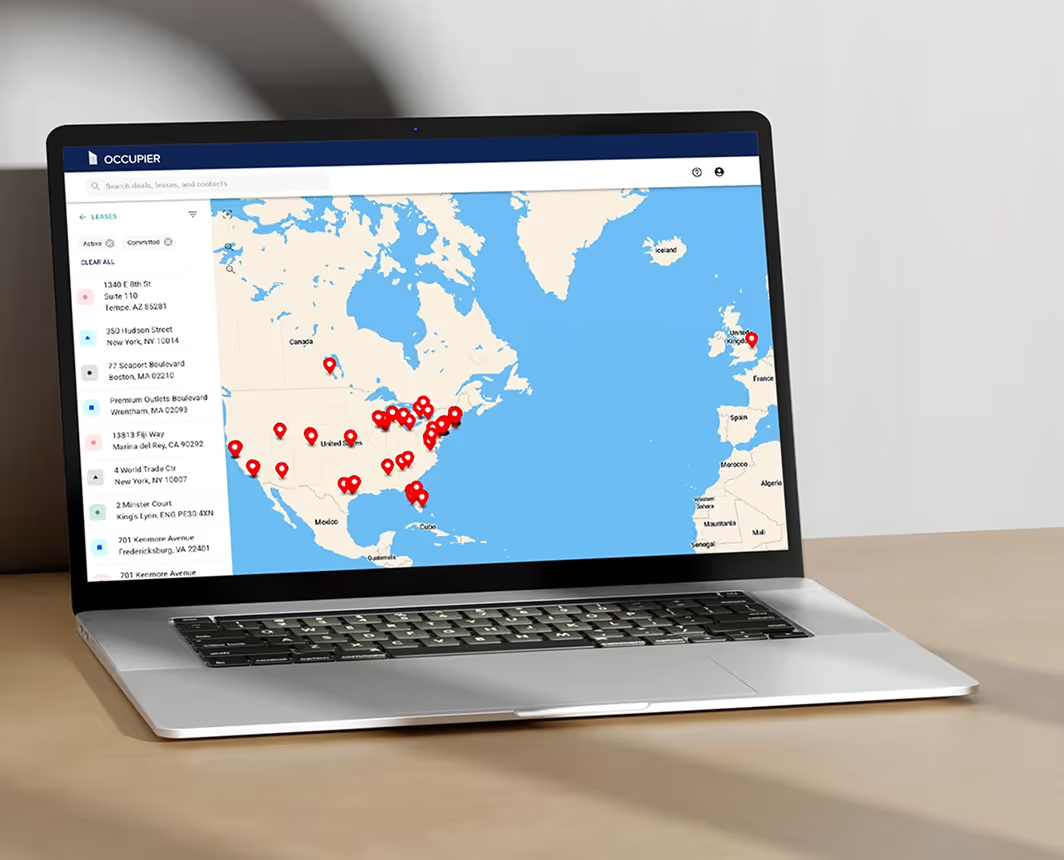
For larger portfolios, Occupier’s lease administration software can help teams centralize lease documents, contractual obligations, and critical dates, making it easier to identify and address potential issues before they escalate.
Maintaining accurate lease information gives real estate and finance teams a better opportunity to address problems early and avoid preventable violations.
Defaulting on a Commercial Lease FAQs
What does defaulted on a lease mean?
It means a tenant has failed to fulfill a contractual obligation and the applicable conditions for default have been met. Common causes include unpaid rent, missing insurance coverage, and unauthorized use of the premises.
What rights does a commercial tenant have after default?
Depending on the lease and applicable law, tenants may have notice and cure rights, the ability to dispute an alleged default, and protections against improper enforcement procedures.
Can a landlord evict a commercial tenant after one missed payment?
Not automatically in every case. The landlord must comply with the lease and applicable legal requirements, which vary by jurisdiction.
How long does a commercial tenant have to cure a default?
The period depends on the agreement, type of violation, and governing law. Monetary and non-monetary defaults often have different requirements.
Can a landlord demand all remaining rent after default?
Some leases contain rent acceleration clauses. Their enforceability and recoverable amounts depend on the agreement and applicable law.
Does leaving a commercial property end the lease?
Generally, vacating the premises does not automatically terminate the agreement or eliminate remaining obligations.
Can a tenant negotiate with a landlord after default?
Yes. Tenants and landlords may agree to payment plans, temporary concessions, modifications, or early termination arrangements.
Does defaulting on a commercial lease remove the ASC 842 liability?
No. Default does not automatically extinguish contractual lease obligations. The company must evaluate whether a termination, modification, or another relevant accounting event has occurred.


Lease management that works for real estate and finance
15,000 sq ft
90 days notice
March 2026
Action required