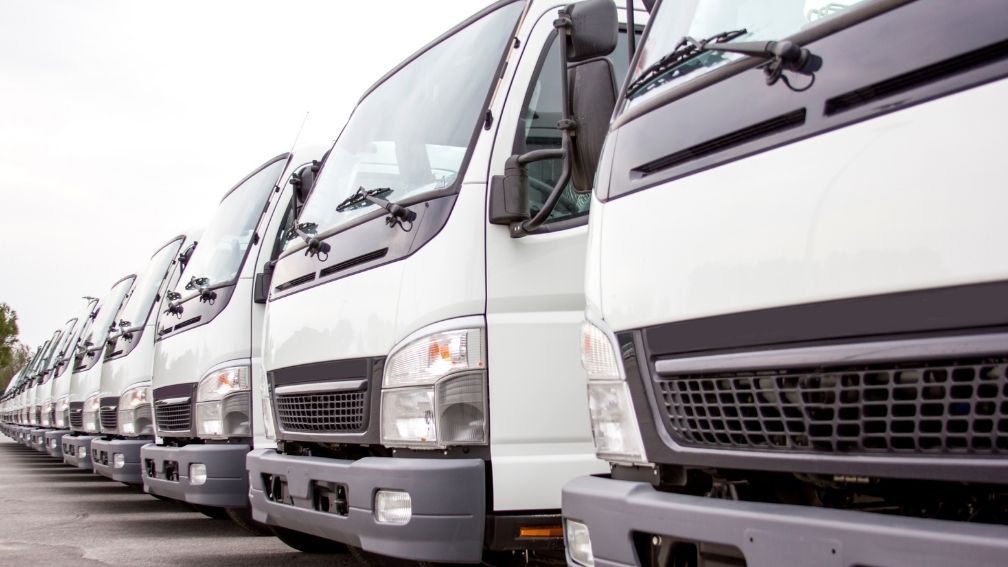
What is an equipment lease and how is it accounted for?
An equipment lease is a contractual agreement where a lessor grants a lessee the right to use a piece of equipment for a specified period in exchange for periodic payments. Under ASC 842 and IFRS 16, equipment leases must be classified as either operating or finance leases and recorded on the balance sheet as a right-of-use asset and lease liability. Real estate and finance teams need to run a lease classification test on each equipment contract to determine the correct accounting treatment.
What is an Equipment Lease?
It is a contractual agreement where the lessor, the owner of a piece of equipment, allows a lessee to rent their equipment for a specified time period through periodic payments. Once both parties come to an agreement for the terms of the lease, the lessee has the right to use the equipment while the lessor still has ownership it.
Examples: Vehicles, forklifts, copiers, computers and printers, diagnostic tools, factory machines, furniture, restaurant appliances, specialized hardware, telecommunication gadgets
Types of Equipment Leases
A lease classification test helps to determine which of the two each individual contract is.
What are the advantages of leasing equipment instead of buying it?
Leasing equipment allows businesses to access high-value assets through smaller periodic payments, avoid large upfront capital outlays, stay current with technology updates, and potentially deduct lease payments as business expenses.
- Costs: Many companies do not have the means to buy ownership of larger, expensive equipment. By leasing it, companies can make smaller payments over a longer period of time.
- Convenience: Sometimes companies only need specific equipment for a limited period of time. Leasing allows them to rent it only when they need it.
- No Down Payment: Unlike purchasing, leasing it typically does not require a down payment.
- Updates: With equipment that requires to be continuously updated, leasing keeps companies from using equipment that’s out of date.
- Upgrades: If companies need to upgrade to more advanced equipment, leasing keeps them from needing to sell their current equipment and buy new equipment.
- Tax: Equipment leases often have potential tax credits, thus companies may be able to deduct those payments as business expenses
- No Ownership Risk: Maintenance for leased equipment is typically provided by their vendors.
What are the disadvantages of leasing equipment?
The primary drawbacks of equipment leasing are the cumulative interest cost, which can exceed the purchase price over time, and restrictive lease terms that may lock businesses into minimum lengths or service packages for equipment they no longer need.
- Interest: Leasing requires paying interest, which sometimes can end up being more expensive than outright initially purchasing the piece of machinery.
- Lease Terms: Some lease terms may have minimum lease lengths and required service packages and thus companies may be overpaying for storage costs of unused equipment.
What are the options for financing an equipment lease?
Equipment leases can be financed through dedicated leasing companies, banks, equipment dealers, brokers, or lease-to-own agreements, each with different cost structures, service levels, and flexibility trade-offs.
- Leasing Companies: With the growing demand for leased equipment, there have been an increasing number of leasing companies offering a range of products and services. Businesses should evaluate lease terms and agreements and financing options from multiple companies to find what best fits.
- Banks and Bank-Affiliated Firms: Some banks may advance credit to help businesses lease expensive equipment. Banks may also charge lower fees compared to companies that do not have primary focuses in financing.
- Equipment Dealers and Distributors: Dealers and distributors may own subsidiaries that offer services for leasing equipment and can also help with financing with independent leasing companies.
- Brokers and Packagers: For a fee, brokers may act as intermediaries between the lessee and the lessor. Brokers will show businesses their options and offers and handle a majority of the paperwork.
- Lease-to-Own Agreements: A lease-to-own agreement is a great way to gain ownership of the equipment if companies do not have the cash to purchase it upfront. Businesses make scheduled payments over a certain period of time before earning full ownership.
However, entering a lease-to-own agreement comes with a few risks. Sometimes businesses end up paying more than fair market value due to interest. Additionally, if businesses do not have the cash to purchase the equipment at the end of the agreement, they end up in a major financial loss and forfeit the equipment along with all previous payments made.
This type of agreement is best suited for large, heavy machinery that businesses would typically need a loan to purchase, such as production or manufacturing instruments.
How do you track and manage equipment leases under ASC 842?
Purpose-built lease management software centralizes equipment lease tracking, automates classification testing, and generates the journal entries and amortization schedules required for ASC 842 and IFRS 16 compliance.
In Closing:
Accounting for equipment leases under ASC 842 and/or IFRS 16 can be an immense challenge, but with the right technology compliance is a seamless experience. To learn more about how your team can better manage these, request a demo and our team would be happy to demo the lease management module.
Check out our Lease Accounting Compliance Hub for all things ASC 842 and IFRS 16.


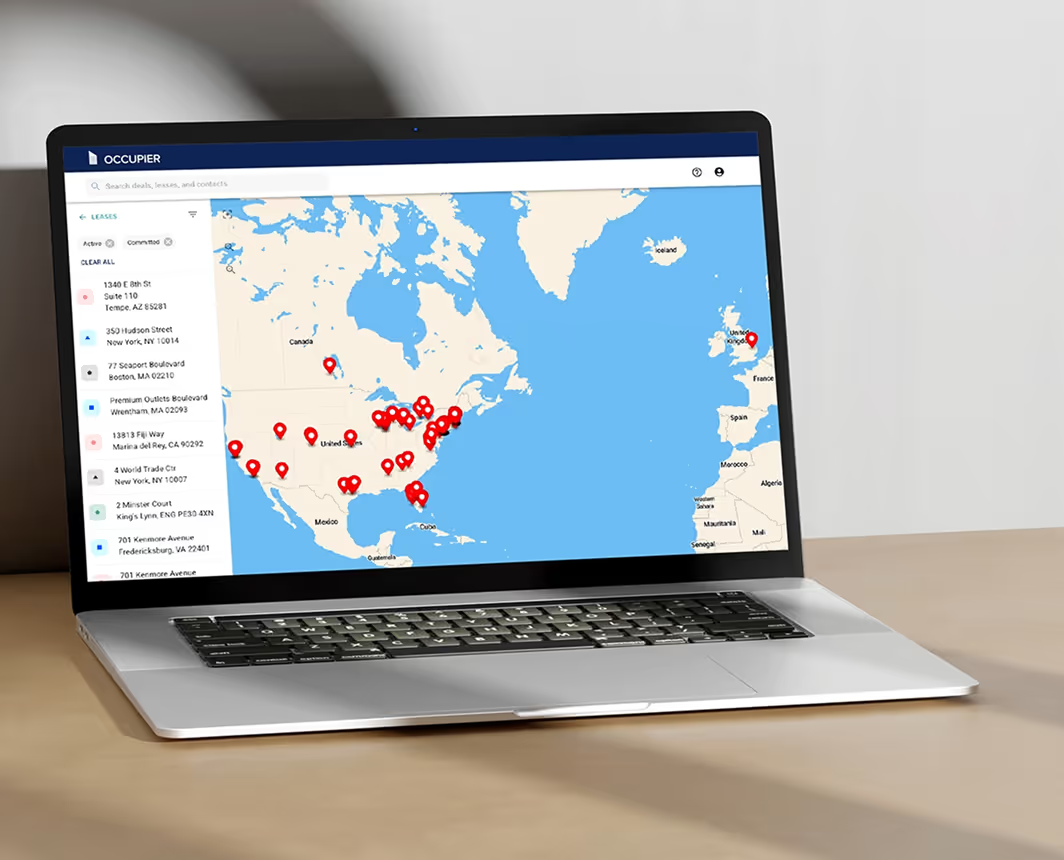
Lease management that works for real estate and finance
15,000 sq ft
90 days notice
March 2026
Action required